*Sanskrit Week: Day 2 – Shlok Reciting and Counting in Sanskrit*
*Class:* II
*Activity 1: Shlok Reciting*
*Introduction:*
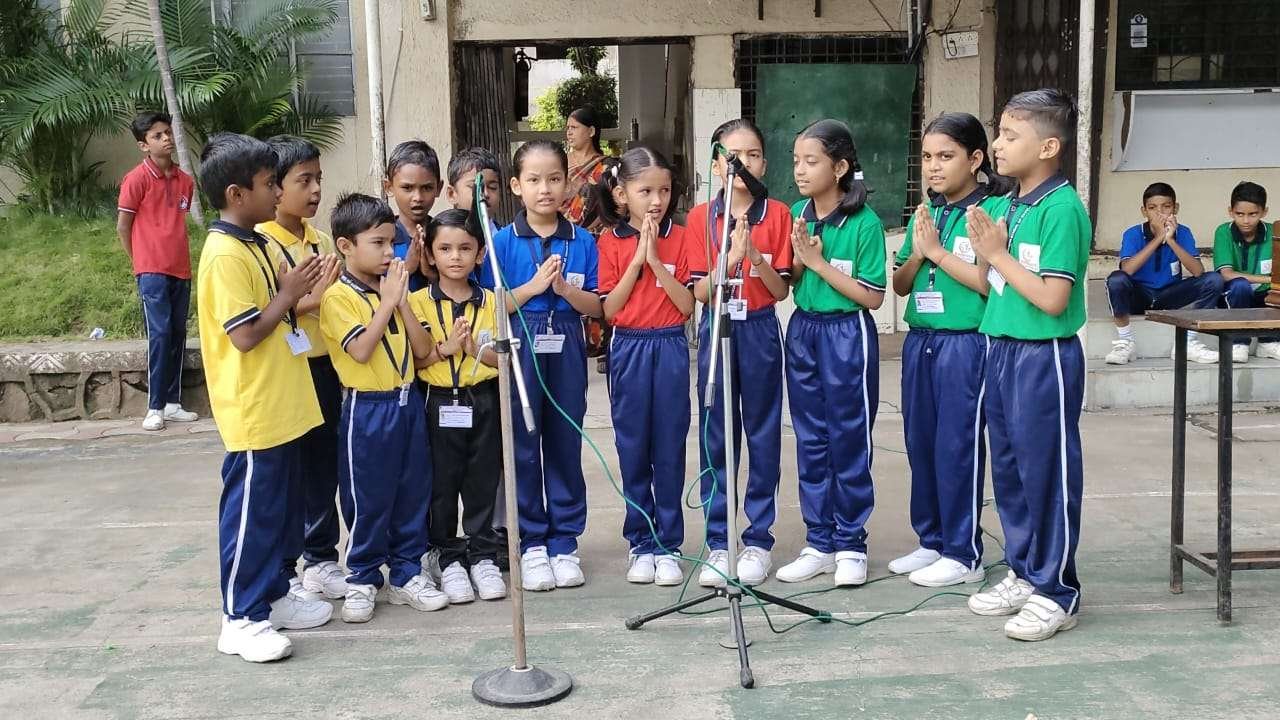
Welcome the students to the second day of Sanskrit Week. Today’s activity focuses on reciting shloks, which are beautiful verses in Sanskrit. Shloks often carry meaningful messages and teachings. Begin by explaining the importance of shloks and how they have been a part of our cultural heritage for centuries.
*Activity Steps:*
1. *Choose a Shlok:* Select a simple and meaningful shlok that is appropriate for Class II students. It could be a shlok that talks about virtues like kindness, respect, or unity.
2. *Learn Pronunciation:* Break down the shlok into smaller segments and teach the correct pronunciation of each word. Encourage the students to repeat after you, helping them get comfortable with the sounds and rhythm of Sanskrit.
3. *Practice Together:* Recite the shlok as a group several times, allowing the students to gain confidence and familiarity with the words. Emphasize the importance of clear enunciation and proper rhythm.
4. *Individual Recitation:* Invite each student to recite the shlok individually. Create a supportive and encouraging atmosphere, where every attempt is celebrated, regardless of perfection.
5. *Reflection:* After all students have had a chance to recite, discuss the meaning of the shlok. Ask them what message they think the shlok conveys and how it relates to their lives.
*Activity 2: Counting in Sanskrit 1-20*
*Introduction:*
In this part of the day’s activities, you’ll introduce the students to counting in Sanskrit. Explain that Sanskrit has its own unique numerical system, and it can be fun to learn how to count in a different language.
*Activity Steps:*
1. *Introduce the Numerals:* Display the Sanskrit numerals from 1 to 20 on the board or a chart. Explain the form and pronunciation of each numeral.
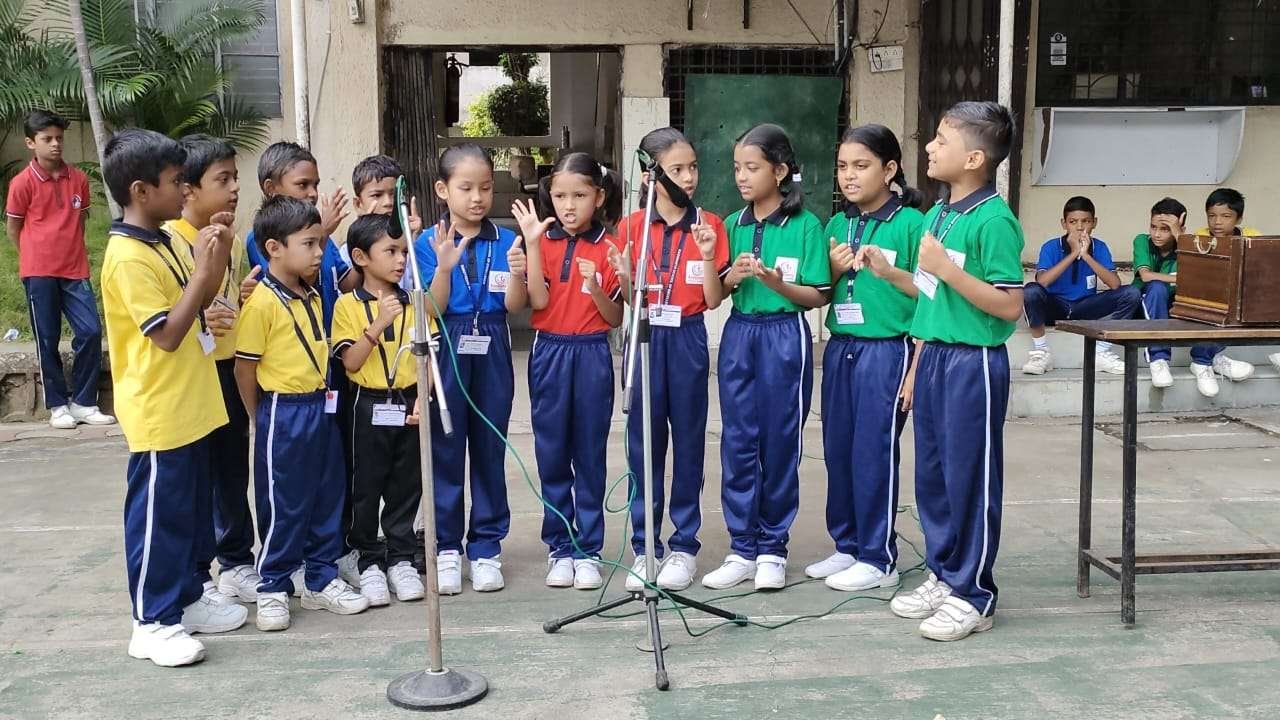
2. *Repeat and Practice:* Go through the numbers together, pronouncing each one clearly. Encourage the students to repeat after you multiple times to reinforce their memory.
3. *Interactive Practice:* Engage the students by asking them to take turns saying the numbers in Sanskrit. Encourage them to pronounce the numbers confidently and correctly.
4. *Counting Objects:* To make the learning more engaging, provide a collection of objects (such as blocks, buttons, or small toys). Have the students count the objects aloud in Sanskrit. For example, “Eka, dve, trīṇi…”
5. *Group Counting:* Divide the class into small groups and give each group a set of objects. Let them count and say the numbers in Sanskrit together.
*Conclusion:*
Gather the students and recap what they’ve learned. Applaud their efforts in reciting the shlok and counting in Sanskrit. Explain that these activities help them appreciate the beauty of the language and its role in our culture.
*Homework:* Assign the students the task of practicing the shlok and counting in Sanskrit at home. They can practice with family members and share their experiences in the next class.
By combining shlok recitation with learning to count in Sanskrit, Class II students will experience a holistic exposure to the language, its rich traditions, and its numerical system. This will contribute to their cultural understanding and language skills.